Heritage and craftsmanship

The world of Alaudis

Discover the philosophy of the brand, the process of creating the instruments, and the craftsmanship that gives every Alaudis its own individual identity.

Scroll down

Soul of the Alaudis piano
Wood for the construction of the Alaudis piano
Stability and structural resonance of the Alaudis piano
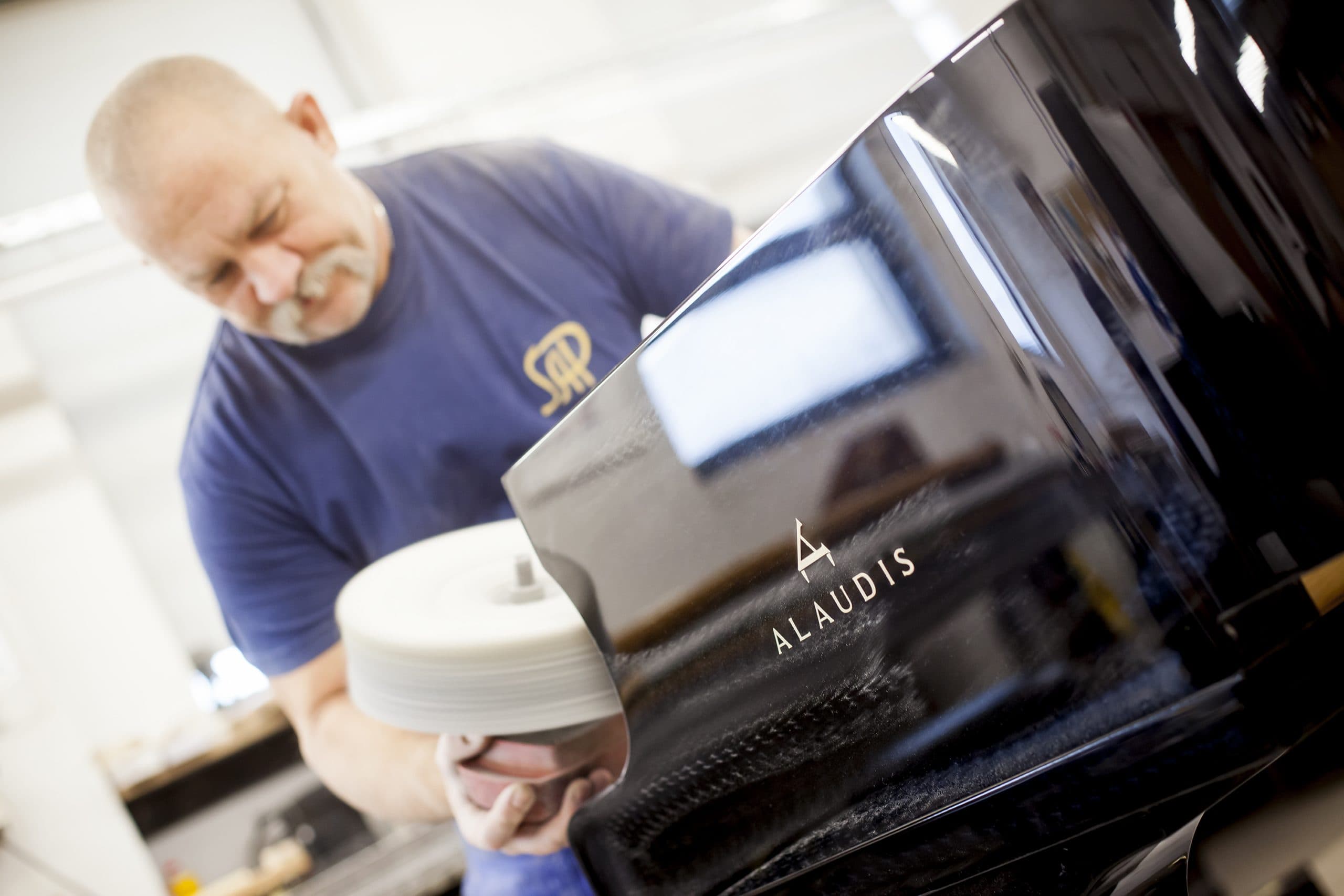
Lacquering of the Alaudis piano
Finishing of the Alaudis piano
Soundboard of the Alaudis piano
Resonant bridges of the Alaudis piano
String scale of the Alaudis piano
Heller bass strings in the Alaudis piano
Renner action in the Alaudis piano
Kluge keyboard in the Alaudis piano
Final regulation and voicing of the Alaudis piano

Alaudis World

A piano with its own soul

SAP Alaudis is an extraordinary grand piano whose purpose is to capture the enchanting beauty and sound of the skylark’s song. It was born from the desire to create a master instrument — one that delights with its tone, moves emotions, and becomes a natural extension of the pianist’s soul.

The Alaudis piano is the work of human hands, patience, and love for sound. We do not use mass production — each instrument is created individually, through a process full of precision and master craftsmanship.

Our goal is not only to build a grand piano, but to create a work of art — an instrument with a soul that will captivate both the pianist and the listener.

Material and philosophy

A piano is wood that sings

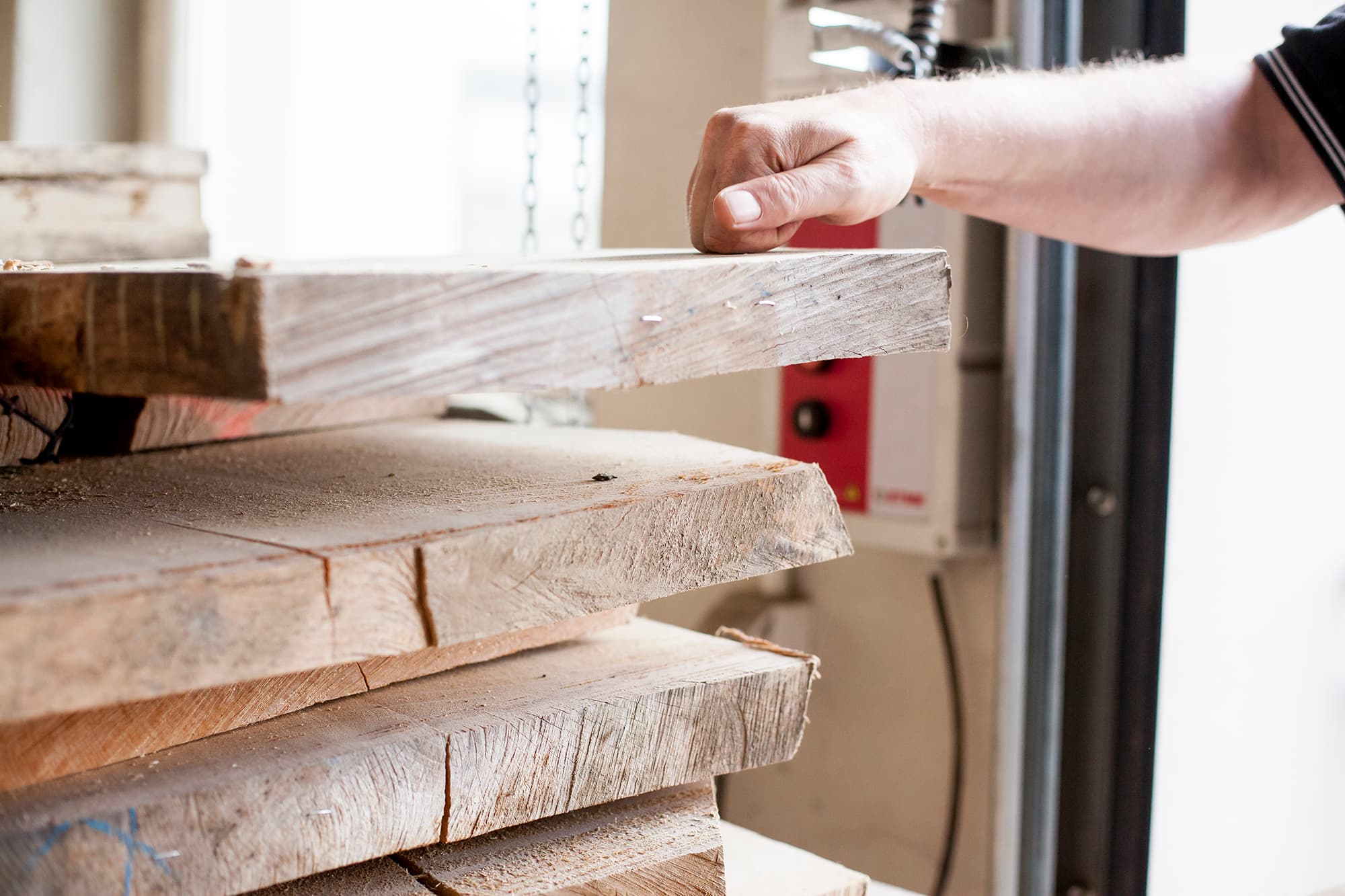
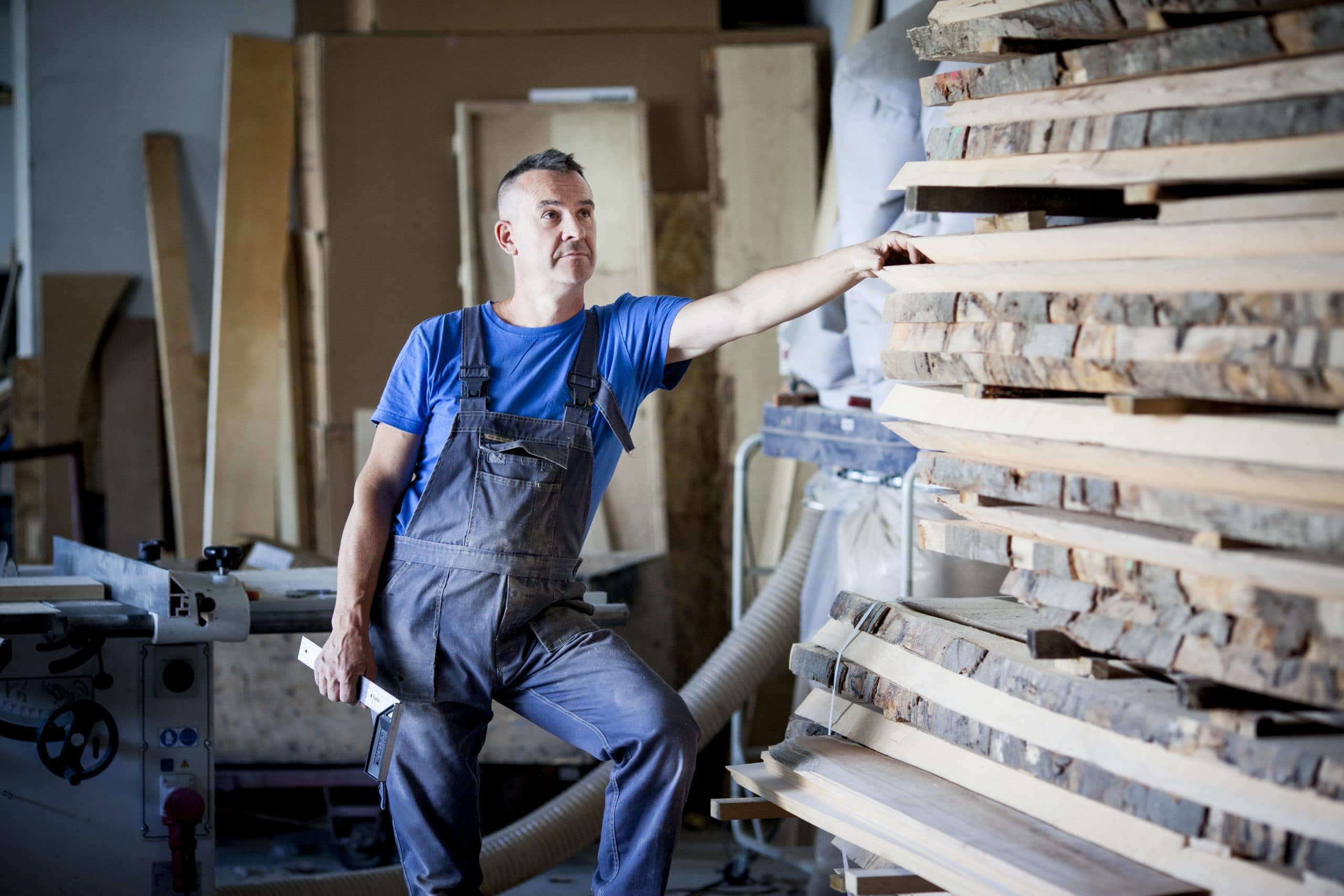
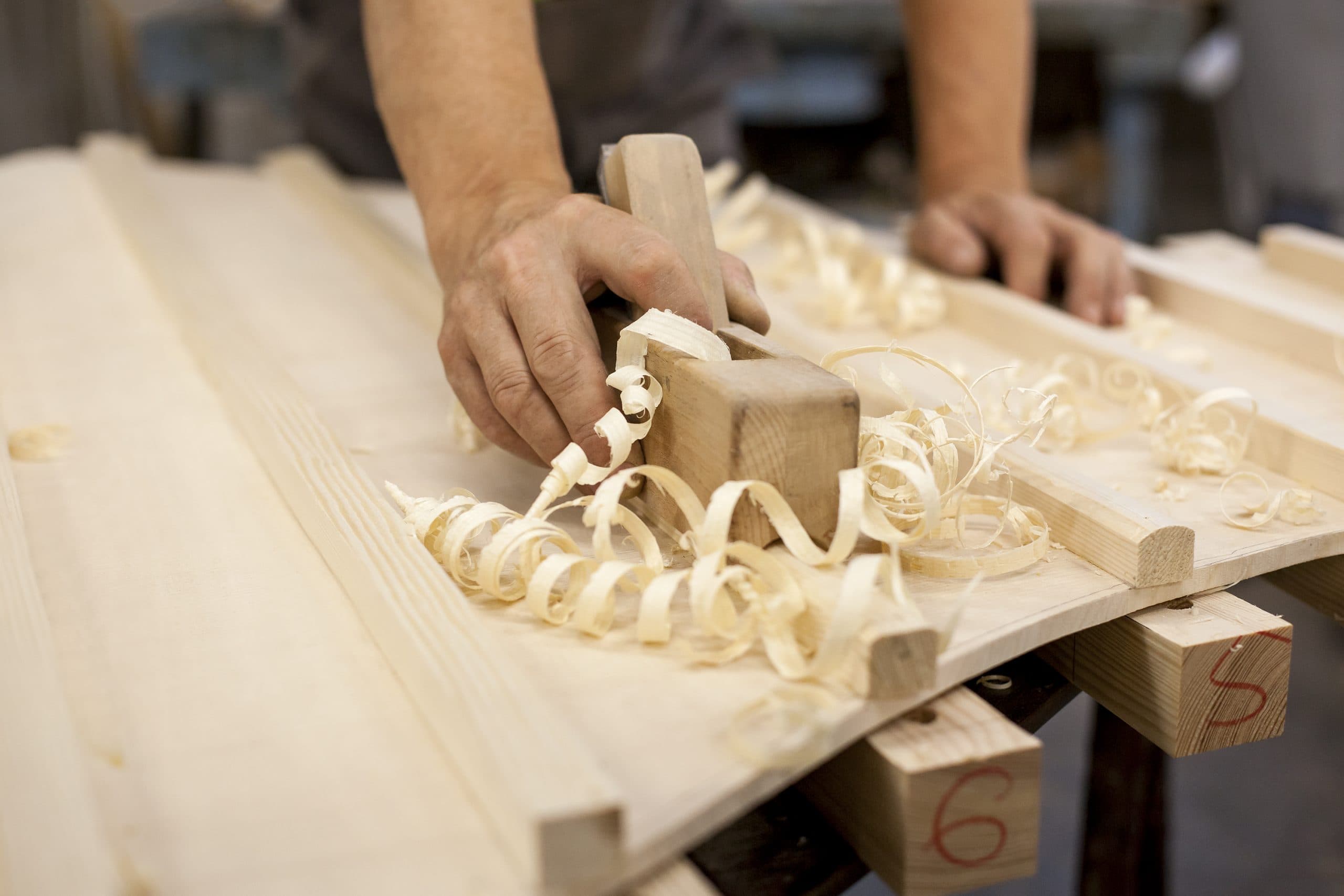
Everything begins with wood. At first glance, they are only ordinary boards, stacked and waiting for their moment — the moment they turn into sound. It is within them that the future soul of the piano is hidden.

At SAP Alaudis, we choose wood the way an artist chooses colours for a painting. We look for harmony, flexibility, and soul. Each species has its own voice — resonant spruce gives warmth and depth, birch brings precision, while maple and beech bring strength and durability.

For years, the wood matures under natural conditions before it reaches the hands of our masters. Only then does the true transformation begin — from raw material into a carrier of emotion.

Rim

Stability and structural resonance

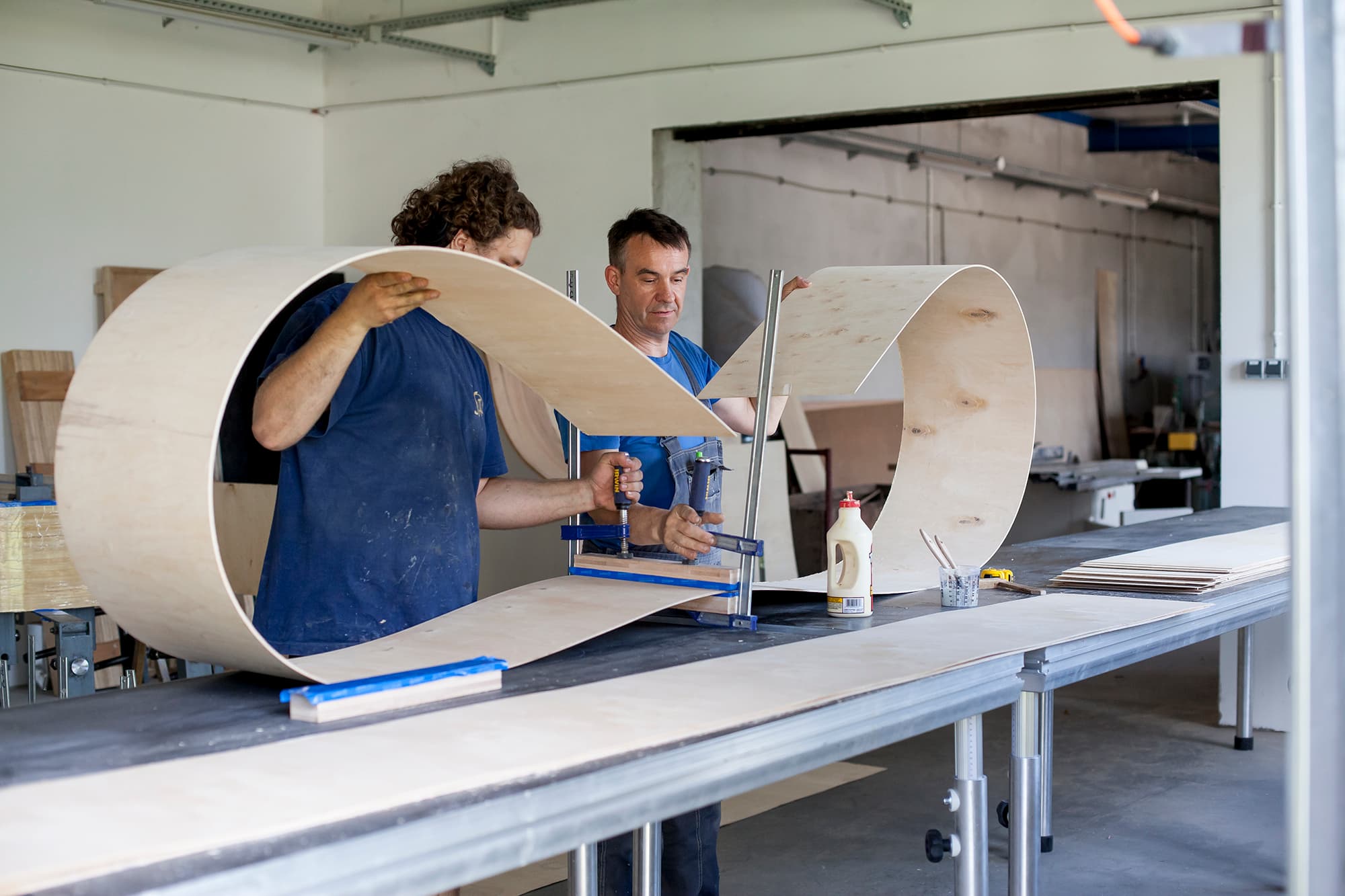
The Alaudis rim is made from millimetre-thin veneers of carefully selected birch and maple. This combination of species provides the ideal balance: the flexibility and resilience of maple, and the stability and resistance of birch.

Each layer is arranged according to the grain direction, then glued and bent on a special mould. Under controlled pressure and temperature, the veneers form a single rim structure that retains its shape with absolute precision.

Such a laminated rim ensures exceptional structural rigidity, minimises internal stresses, and increases tuning stability, while also allowing the rim to cooperate actively with the soundboard.

Lacquering

Depth of surface and protection

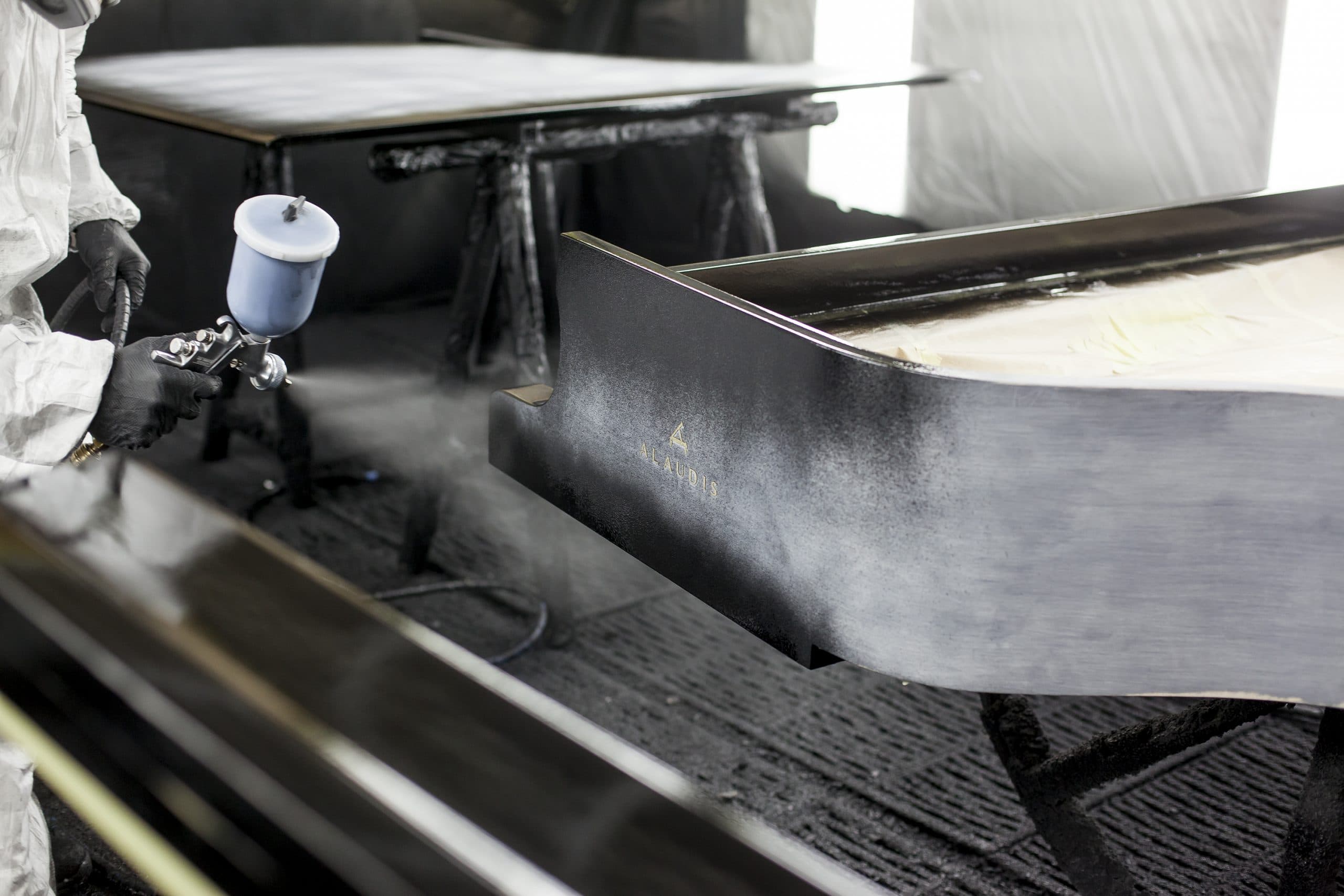
The lacquering of the SAP Alaudis piano was carried out with the utmost care, using the finishing system of ICA — a renowned Italian manufacturer of coatings dedicated to musical instruments.

Six coats of primer and nine coats of polyester top lacquer were applied to the body and cabinet elements, ensuring exceptional gloss, scratch resistance, and durability.

This multi-layer finishing cycle makes it possible to achieve a smooth, deep, mirror-like surface that not only enhances the visual beauty of the instrument, but also protects its structure for many years.

Finishing

Polishing and final quality

SAP Renovation is one of Europe’s leading specialists in piano finishing. Over more than three decades, our team has restored 14,000 instruments.

The sanding and polishing process at SAP Renovation combines master craftsmanship with modern technology. In the case of the SAP Alaudis piano, it was carried out with exceptional attention to every detail.

The final surface of the SAP Alaudis piano not only impresses with its gloss and elegance, but also forms an integral part of the instrument’s structure.

Soundboard

The heart of projection and colour

The Alaudis piano soundboard is made from tone-grade spruce supplied by the renowned maker Strunz, and it is a key element of the instrument’s acoustic construction.

Carefully seasoned and selected wood, precisely fitted to the rim structure, creates an active resonant surface that transfers and amplifies the vibrations of the strings.

Designed in the spirit of the finest piano-building traditions, the soundboard gives the instrument full tonal projection and balance — from deep bass to clear upper registers.

Bridges

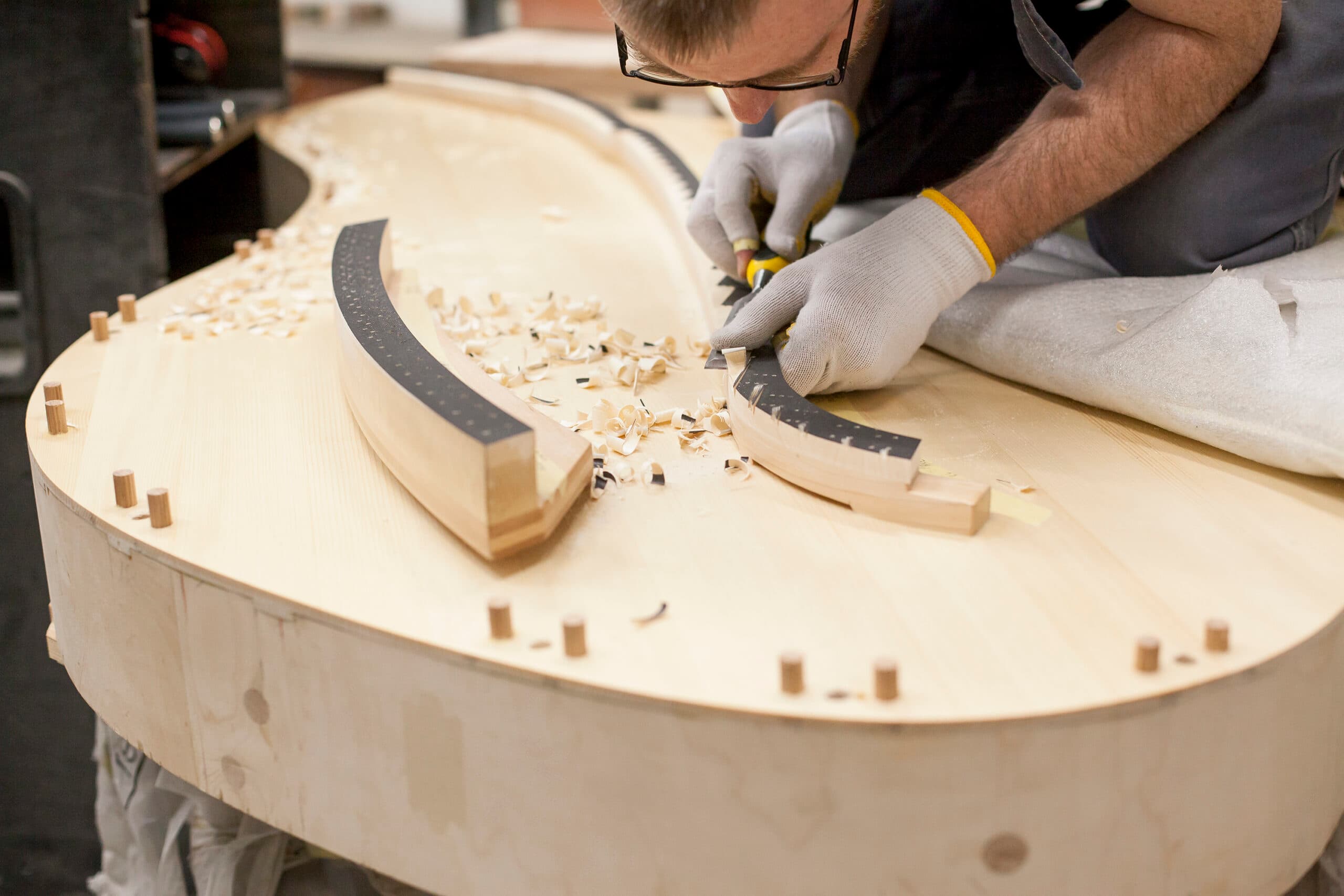
Precise transmission of vibration

The Alaudis bridges are made from carefully selected hard maple, seasoned and humidity-stabilised.

Their laminated construction is additionally reinforced with a solid maple cap, ensuring exceptional mechanical stability and tuning durability.

This design guarantees high rigidity in the longitudinal direction, allowing the vibration energy of the strings to be transferred to the soundboard with maximum efficiency.

String scale

Scale, energy, and tuning security

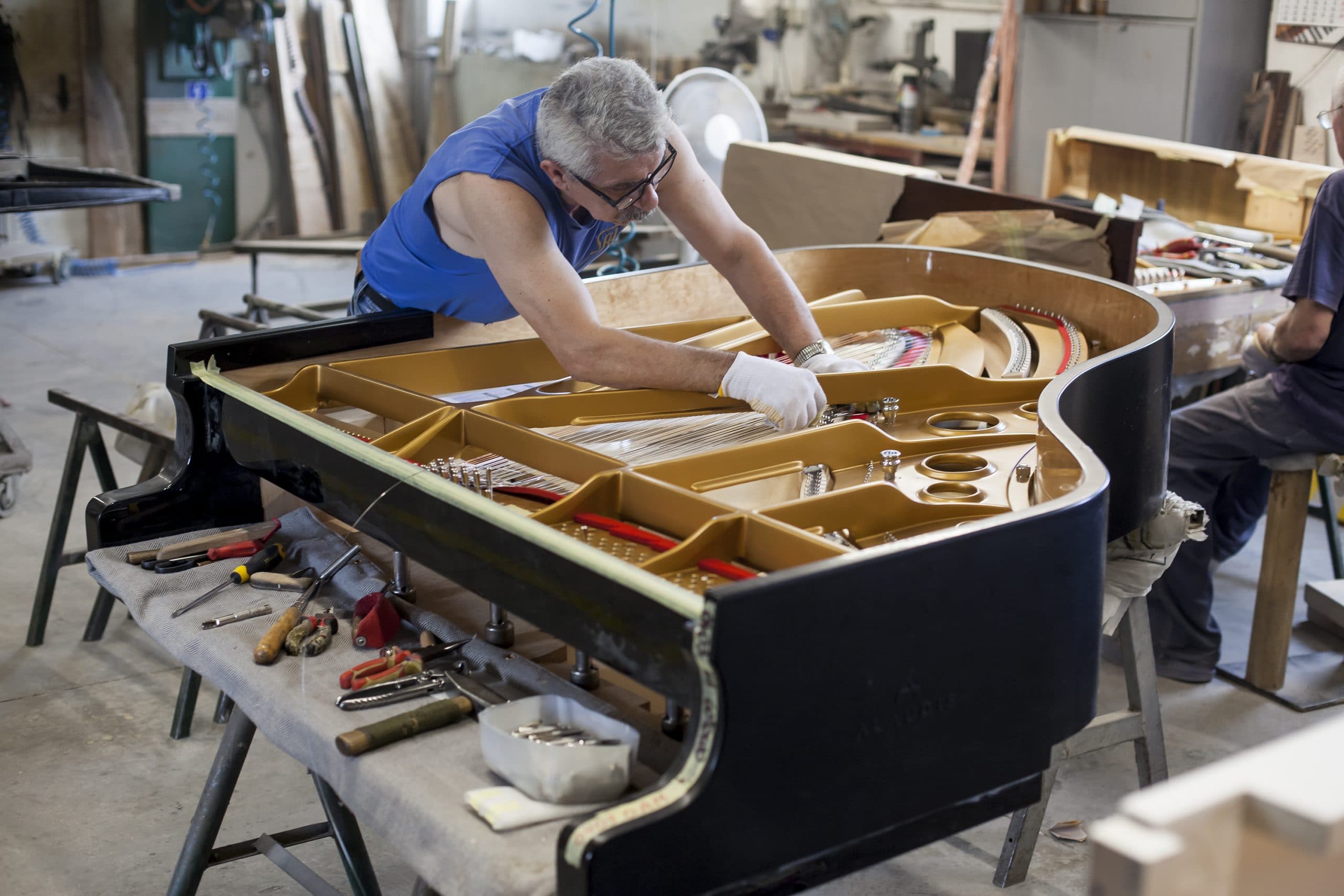
In the stringing of the SAP Alaudis piano, we use Diamant tuning pins and steel strings made from Röslau wire.

The string scale was designed in a dedicated calculation programme that optimises diameters, speaking lengths, and target tensions, taking inharmonicity and intended tonal characteristics into account.

In the SAP Alaudis piano, it is crucial that the choice of wire, tuning pins, and scale parameters is fully matched to the strength of the frame and the entire structure.

Bass strings

The foundation of the lower register

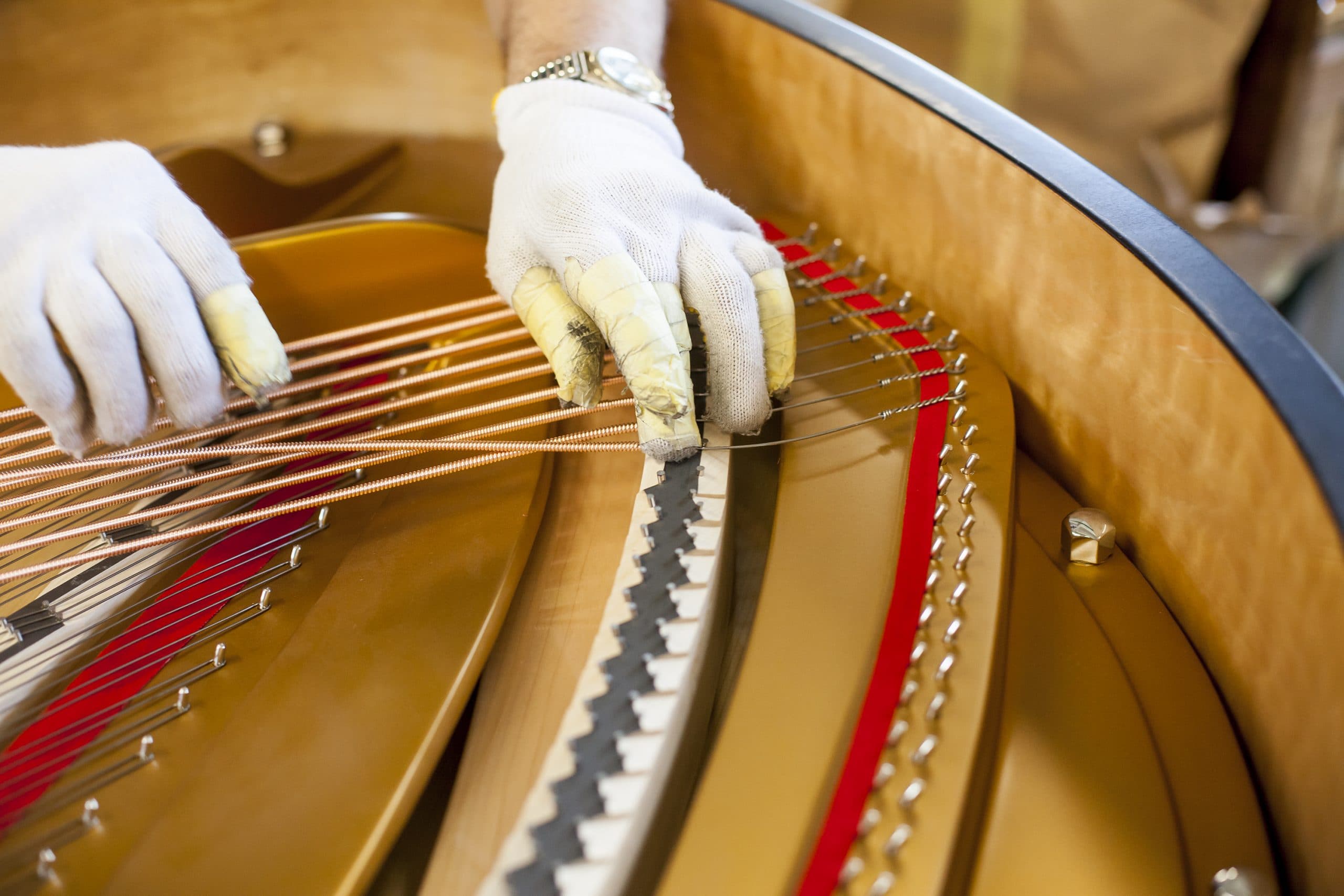
The bass strings were supplied by Hellerbass of Germany, a company specialising in precisely wound bass strings for piano makers and restorers.

Their construction supports a deep, rich tonal foundation and helps maintain clarity and carrying power in the lowest register.

These are the elements that create the richness and grandeur of the full piano scale.

Action

Responsiveness and control

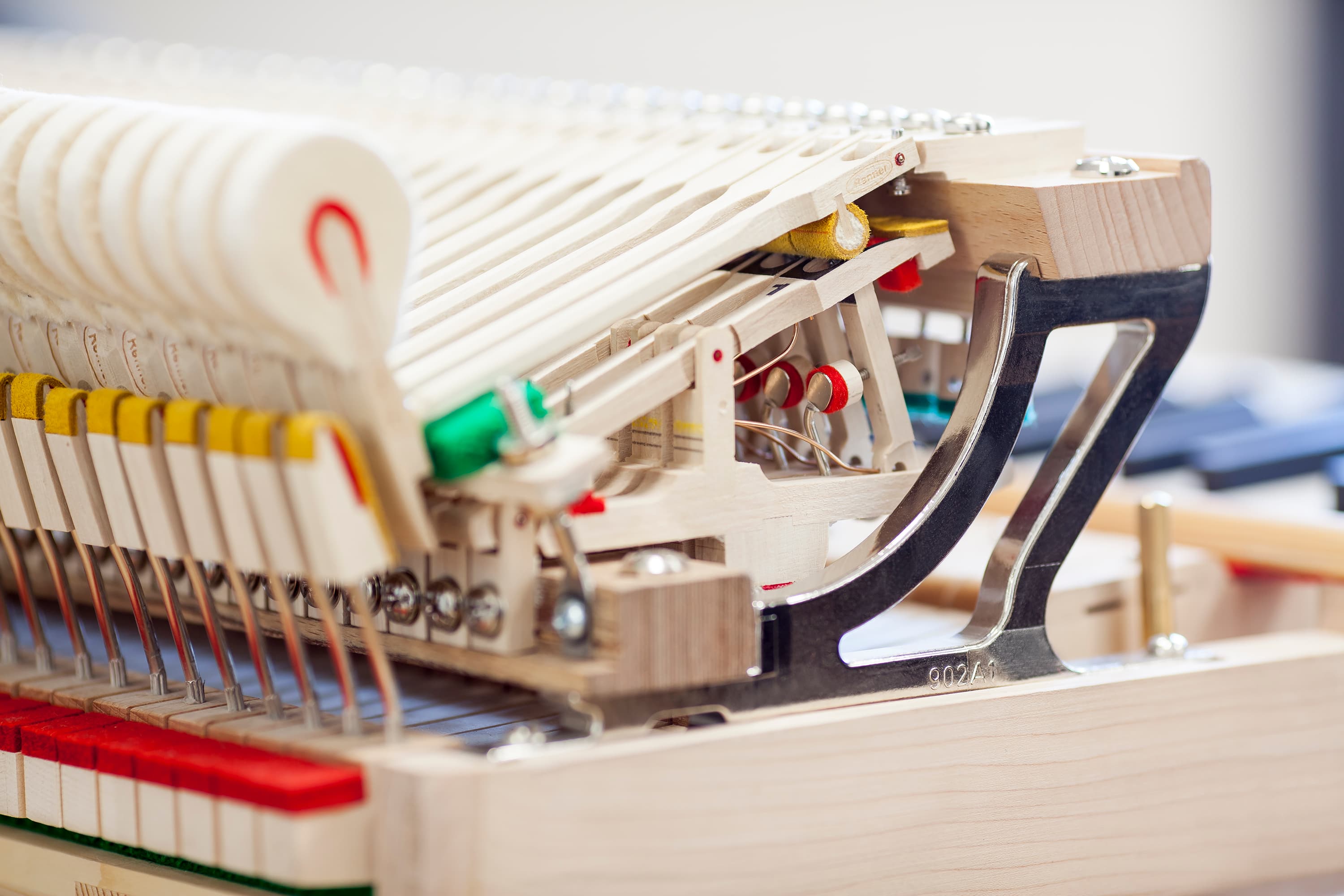
The hammer action of the SAP Alaudis piano is built on high-grade components from Louis Renner GmbH — a world leader in piano action manufacturing.

Precisely formed hammers, stable shanks, and carefully balanced action geometry provide a clean attack, fast repetition, and full control over dynamics.

Thanks to such a construction, SAP Alaudis offers exceptional keyboard responsiveness, from delicate pianissimo to full fortissimo.

Keyboard

Precision and comfort of playing

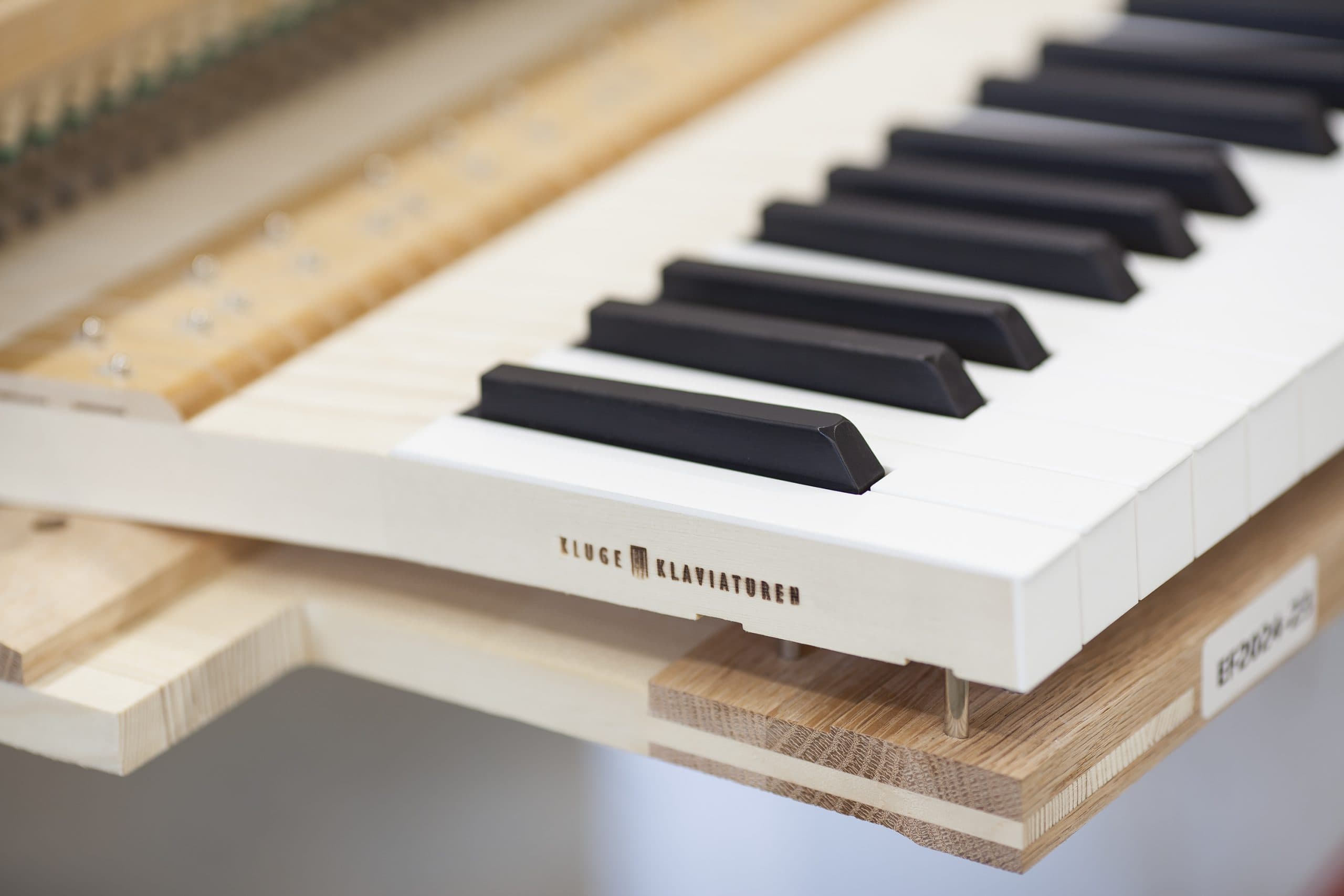
The keyboard of the SAP Alaudis piano was developed in close cooperation with the renowned company Kluge, recognised as one of the finest premium keyboard makers in the industry.

Perfect key fitting, precision of workmanship, and refined visual details underline the luxurious character of the instrument and support the fullness of its function.

The keyboard becomes not only a mechanical device, but an integral element of the pianist’s artistic expression.

Voicing

Final regulation of sound

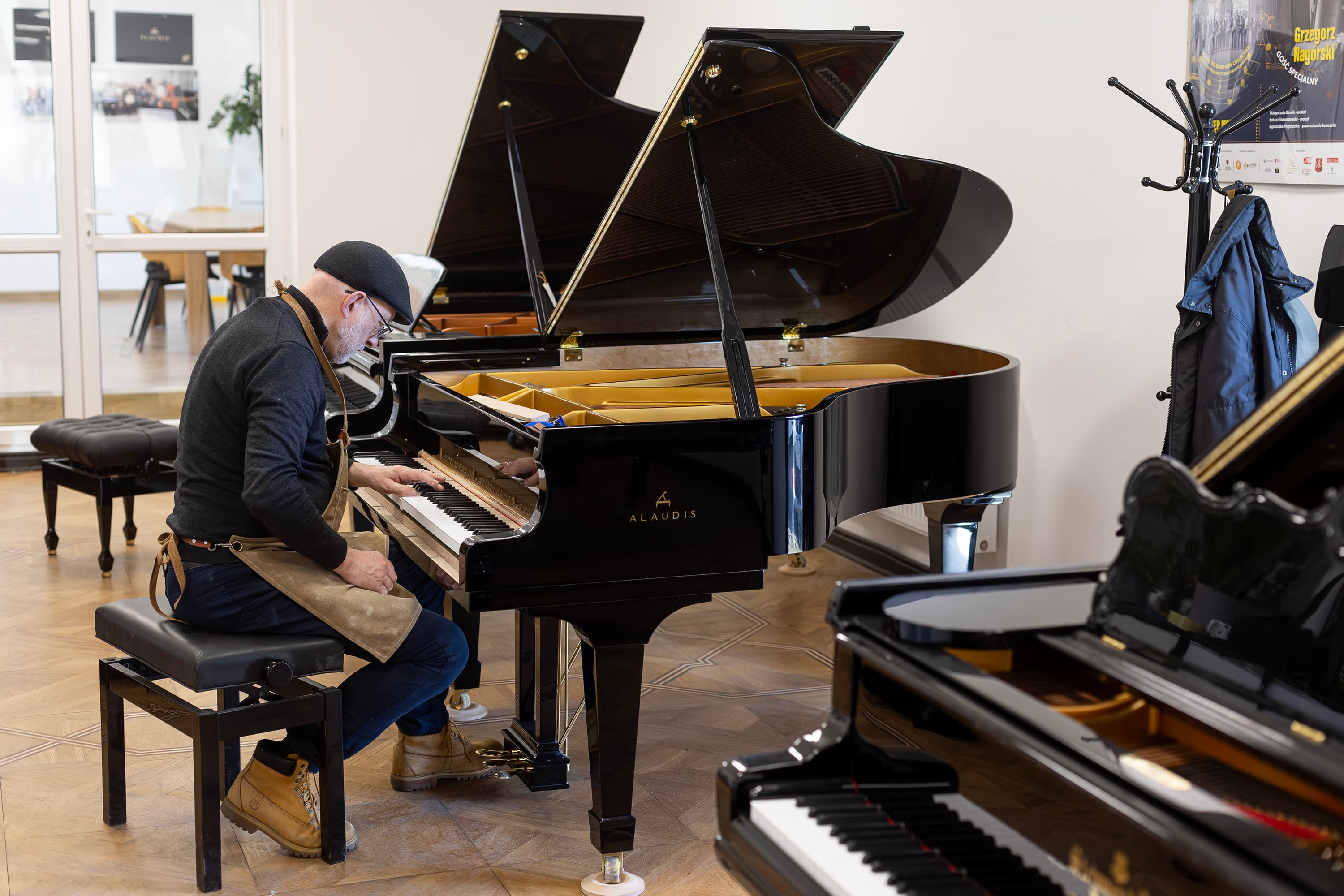
The voicing of the SAP Alaudis piano is one of the most demanding stages of the finishing process — the moment when technique meets art.

Each hammer is individually shaped and voiced in order to achieve the ideal balance between attack, carrying power, and tonal colour.

The result is a sound of full harmonic spectrum, perfect register balance, and the exceptional singing quality characteristic of the skylark.

From Alaudis production

Craftsmanship captured in motion

Short video materials show the process of creating the instrument: the work of hands, details, surfaces, construction and the atmosphere of the workshop where the idea of Alaudis becomes a real grand piano.

Video

Sanding and fitting the cast-iron frame

Precise preparation of the cast-iron frame before further acoustic assembly. This stage requires careful fitting of contact surfaces, control of the seating points and preservation of the correct geometry of the piano structure.

Video

Profiling the ribs of the soundboard

Shaping the ribs of the soundboard, responsible for stability, elasticity and the proper acoustic work of the resonant surface. The rib profile directly influences the crown and the response of the soundboard to vibration.

Video

Cleaning the ribs from glue residue

Careful processing of the ribs after previous gluing stages. Removing excess glue and preparing clean surfaces helps preserve the precision of joints and the aesthetic quality of the structural elements.

Video

Mechanical sanding of the soundboard

Initial sanding of the soundboard using mechanical tools. The purpose of this stage is to level the surface, prepare the material for further work and achieve the right quality for subsequent finishing operations.

Video

Hand sanding of the soundboard

Delicate manual refinement of the soundboard surface. This stage gives greater control over detail, preserves the natural character of the wood and prepares the board to work as the acoustic heart of the instrument.

Video

Routing the bridge cap

Precise machining of the bridge cap. Bridges are among the key elements transferring string vibration to the soundboard, which is why their geometry, height and surface quality require exceptional accuracy.

Video

Cutting and fitting the length of the treble bridge

Fitting the treble bridge to the dimensions and geometry of the individual instrument. Correct length and seating are essential for string behaviour, energy transfer and tonal balance in the treble register.

Video

Mechanical planing of the treble bridge

Machining the treble bridge while maintaining the required line, height and profile. This stage prepares the bridge for further fitting and for proper cooperation with the strings and the soundboard.

Video

Routing the soundbox body for the soundboard ribs

Preparing the areas in the soundbox body where the soundboard ribs will be seated. Routing allows precise mounting sockets to be created and provides proper support for the entire acoustic structure.

Video

Hand chiselling and fitting the soundboard seats

Manual refinement of the places where the soundboard will be seated. Chisel work allows a level of precision that cannot always be achieved by machine alone, especially in points requiring individual fitting.

Video

Gluing and clamping the soundboard

The process of seating the soundboard in the instrument structure. Even pressure from clamps ensures a stable joint, proper contact and the acoustic integrity of the entire resonant assembly.

Video

Gluing the rim layers of the Alaudis grand piano

The stage of gluing the rim layers of the Alaudis grand piano. Proper handling of the material, control of tension and precision in gluing are crucial for structural stability and the elegant line of the case.

Video

Gluing and clamping the Alaudis piano body

Forming the piano body through gluing and controlled pressure from clamps. This is one of the stages where structural craftsmanship determines durability, stability and final geometry of the instrument.

Video

Final hammer voicing — Peter Salisbury

Final hammer voicing performed by master Peter Salisbury. This is the final artistic stage of work on tone colour, where hammer response, attack character, singing quality and tonal balance of the entire instrument are refined.

Next step

Discover Alaudis more closely

Discover the models, open the configurator, or arrange a private conversation to talk about instruments created in the Alaudis philosophy.